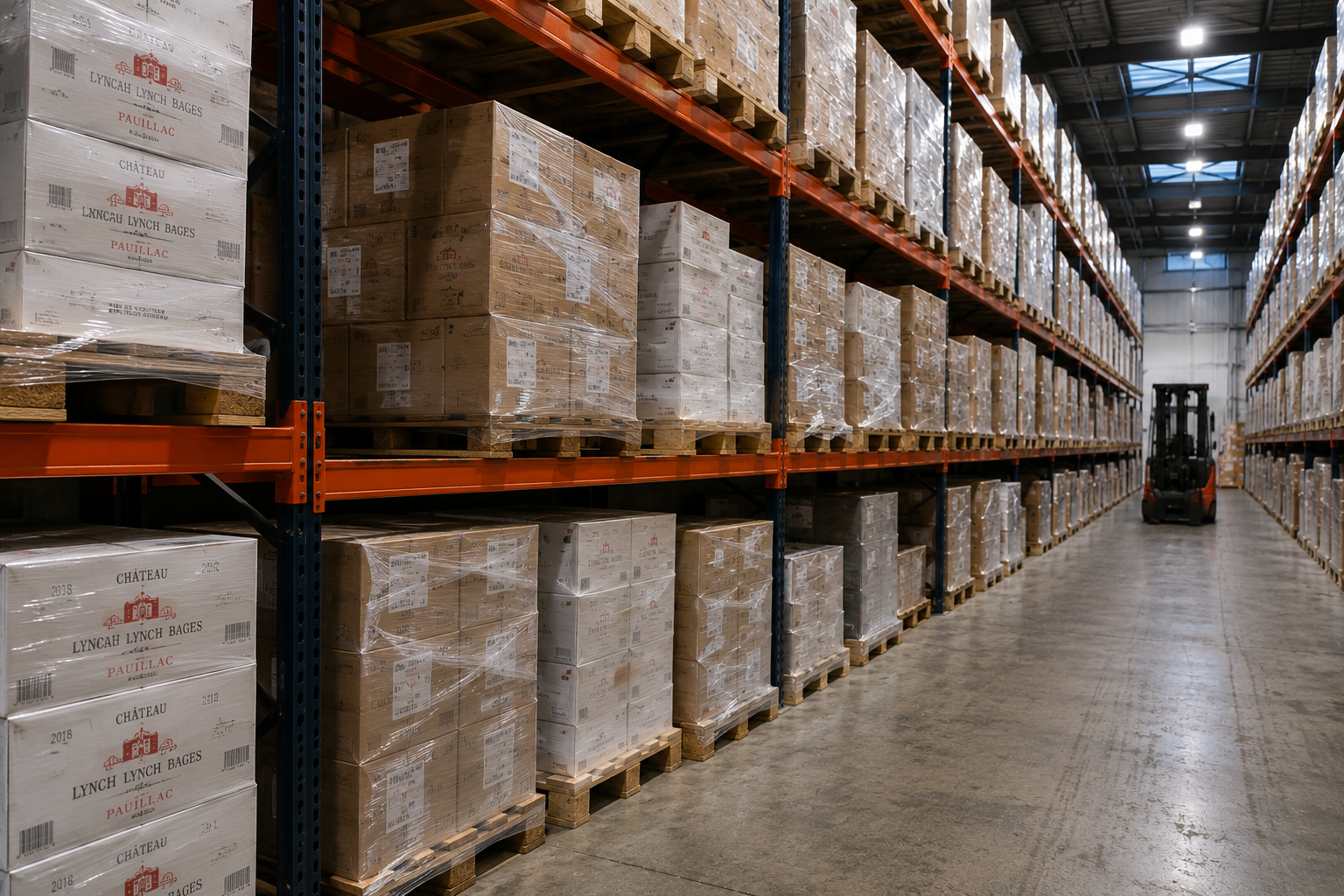
Wine Trading Europe
Verified buyers can review wine availability through European bonded warehouse positions, with stock visibility handled in a controlled B2B environment.
Requests may include palletized stock, mixed selections, case quantities or recurring demand, depending on destination, format and warehouse status.
Wine Access Through European Warehouses
Wine supply often depends on real availability, clean documentation and reliable warehouse execution. ElixeMarket keeps this process private, structured and focused on professional buyers.
This is not a public catalogue. Stock details, pricing and trading conditions are reviewed only after buyer demand and destination requirements are clear.

Structured Wine Buyer Access
Wine trading can involve pallets, cases, mixed selections and recurring demand. Verified buyers need clear access to real bonded warehouse availability, not an open stock list.
Palletized Wine Stock
Review available warehouse positions through a structured B2B sourcing request.
Mixed Selections
Combine selected wines, formats or related beverage references when suitable stock exists.
T1 / T2 Conditions
Work with customs-controlled stock through European bonded warehouse structures.
Controlled Execution
Availability is shared after demand, destination and buyer profile are reviewed.
Wine Demand Across Key Buyer Markets
European bonded warehouses support structured B2B wine execution for buyers operating across regional and international markets.






Typical Wine Trading Formats
Full Pallets
For buyers working with volume demand and clear warehouse execution.
Mixed Wine Lots
Combine selected wines, formats or country references when available.
Case Quantities
Access controlled case quantities when stock and terms allow.
Recurring Supply
Plan repeat demand through ongoing availability review.
Wine Supply Requires Operational Structure
Wine demand can involve brands, countries, formats and buyer routes. Each request should be reviewed before stock details are released.
Buyers may need palletized stock, mixed selections, recurring supply or customs-controlled execution under T1/T2 conditions.
Structured Demand
Requests can include products, countries, formats and destination requirements.
Controlled Release
Availability is shared through verified access and clear trading conditions.
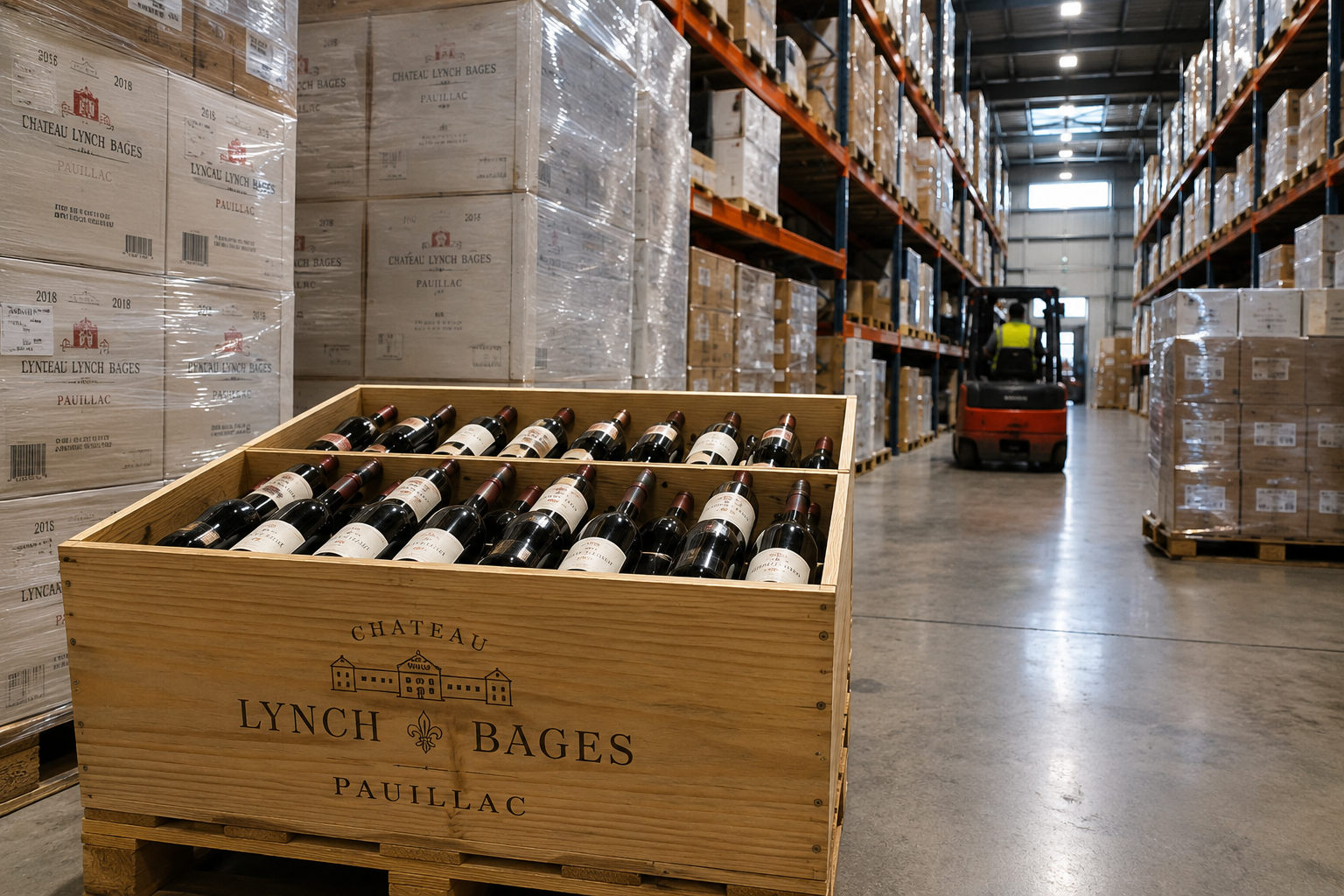
How Wine Access Works
Buyer demand starts the process. Stock is reviewed before pricing or allocation details are shared.
Submit Request
Share wine demand, formats, volume, destination and timing.
Review Availability
Warehouse positions are checked against the buyer requirement.
Confirm Terms
Volume, pricing, documents and warehouse conditions are aligned.
Execute Transaction
The transaction follows agreed bonded warehouse procedures.
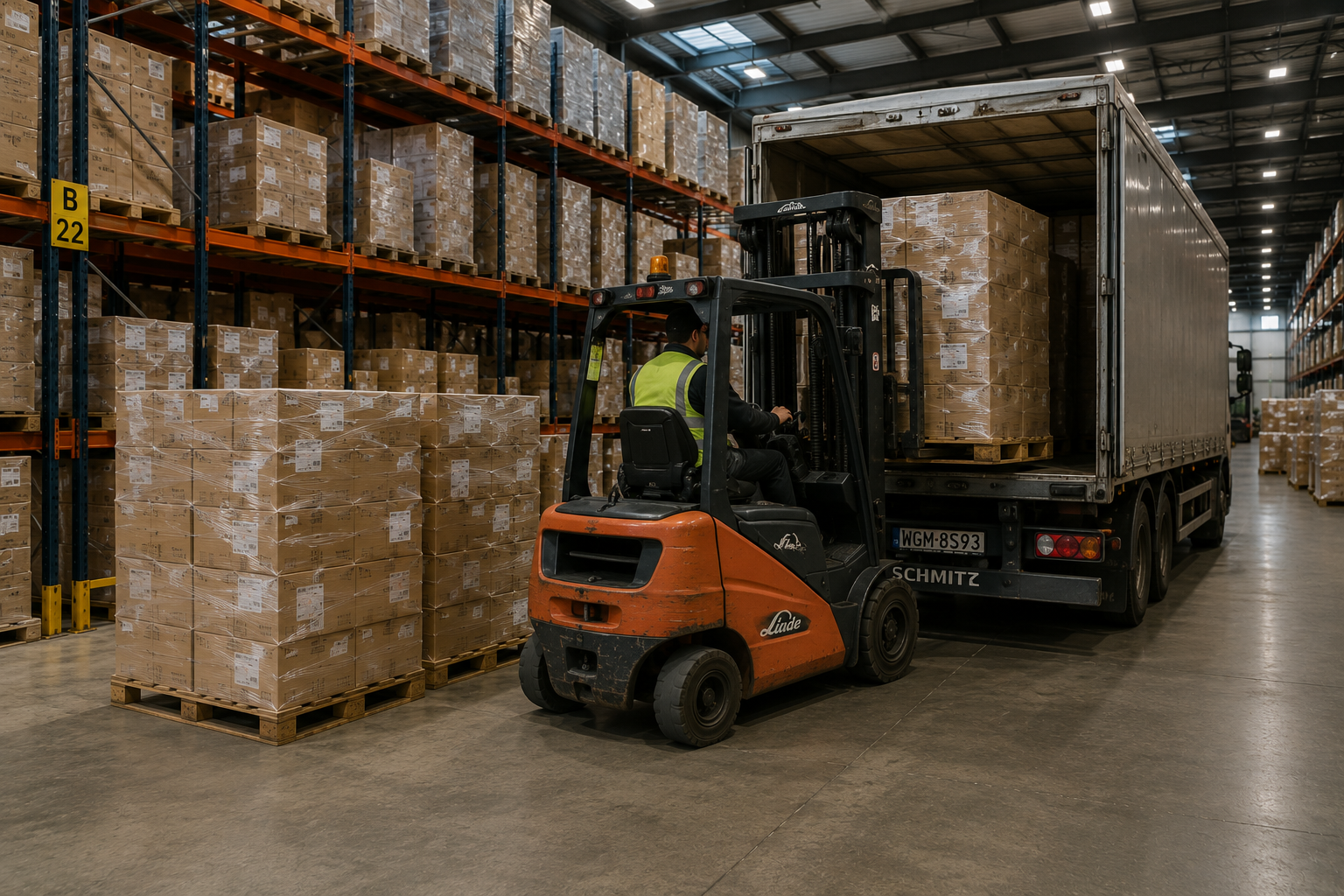
Warehouse Execution for International Buyers
Wine supply needs more than availability. Loading, documentation and timing must also be aligned.
This operational layer supports reliable B2B trading across selected buyer markets.
Access Current Wine Availability
Stock is not listed publicly. Availability is shared only with verified B2B buyers after the request is reviewed.
Our team reviews demand and destination first. This protects stock control and execution quality.
Submit Sourcing RequestVerified Buyers
Access is limited to serious trade operators and qualified buyers.
Real Stock
Opportunities depend on real bonded warehouse availability.
Controlled Terms
Execution follows agreed operational and trading conditions.
Wine Trading Europe for B2B Buyers
Wine trading Europe requires verified stock, controlled documentation and reliable warehouse execution.
ElixeMarket supports B2B buyers looking for wine trading Europe through bonded warehouses. Buyer requests can include brand, format, quantity, destination and timing.
Availability is not presented as a public shop. Each option is reviewed before terms are shared, so stock visibility remains controlled and commercially disciplined.
T1 and T2 conditions support customs-controlled movement. This structure also supports B2B wine trading for selected international buyer routes.
European customs rules can require controlled handling. More information is available through the European Commission customs guidance.
For related categories, buyers can also review whisky, vodka, gin, rum, tequila mezcal, liqueurs and cognac brandy trading Europe.