Bonded Warehouse Spirits Trading
Bonded warehouse spirits trading gives verified B2B companies a structured way to review real stock, T1/T2 conditions, warehouse location, documentation needs, loading timing and controlled release before execution.
ElixeMarket is not an open catalogue, ecommerce shop or public marketplace. Access is structured for professional buyers, suppliers and trade partners operating through real warehouse conditions.
European warehouse access built around real trade flow.
Behind every professional spirits transaction there is more than a product list. There are warehouse positions, loading schedules, tax conditions, destination requirements and timing factors that need to align.
ElixeMarket gives verified companies a controlled B2B environment to review those details before a transaction moves forward. The focus is real availability, operational clarity and disciplined execution.

The operational spine
of ElixeMarket.
This bonded warehouse spirits trading hub brings together buyer routes, supplier access, warehouse status, category pages, T1/T2 awareness and documentation context within one structured operating framework.
Buyers can review spirits availability with a practical view of stock status, movement conditions, loading windows and destination requirements. Suppliers can present real positions with a clearer operational framework.
A private B2B environment, not a public stock board.
Bonded warehouse spirits trading only works when company profile, stock status, route, volume and timing are reviewed early. ElixeMarket keeps access controlled so commercial details are shared in the right context.
Warehouse positions
Availability is reviewed through European warehouse environments where stock status and movement conditions can be assessed.
T1/T2 movement
Routes may involve T1 or T2 conditions depending on tax status, customs position, destination and loading structure.
Professional operators
Access is designed for established B2B buyers, suppliers and trade partners with clear commercial requirements.
Aligned execution
Pricing, allocation, documentation, payment structure and loading timing are aligned before a transaction progresses.

From European warehouses to buyer demand worldwide.
Spirits distribution works properly when the commercial side and the operational side move together. Warehouse location, release timing, destination requirements and documentation all affect execution.
ElixeMarket helps professional buyers review availability by category, route, warehouse status, loading window and movement needs. This creates a clearer way to approach bonded warehouse spirits trading without public listings or fragmented conversations.
What needs to be understood before movement.
The value of a stock position depends on more than brand and price. Warehouse status, tax condition, allocation limits, loading timing and documentation needs determine whether a transaction can move forward.
International buyer routes connected to European bonded warehouses.
Each market has different expectations around volume, brands, documentation, timing and route structure. These buyer routes help organise demand around professional B2B spirits trading.

Europe
European buyers reviewing warehouse stock, T1/T2 status and loading options.

UAE
Gulf buyers reviewing European warehouse stock and premium trade routes.

Singapore
Trade hub access for logistics, import timing and warehouse availability.

China
Selective buyer access for destination review, allocation and timing.

Africa
African buyer markets reviewing mixed spirits, full loads and route suitability.
Spirits categories reviewed through warehouse-based availability.
Category demand is organised by product type, buyer profile, destination, stock status, volume and commercial timing.

Whisky
High-demand whisky reviewed through European warehouse access.

Vodka
Volume-focused vodka access for professional B2B buyers.

Gin
Gin availability reviewed by demand, route and warehouse status.

Rum
Rum opportunities reviewed through controlled B2B access.

Cognac & Brandy
Premium positions reviewed with selective buyer alignment.

Tequila / Mezcal
Selected tequila and mezcal demand reviewed through warehouse availability.
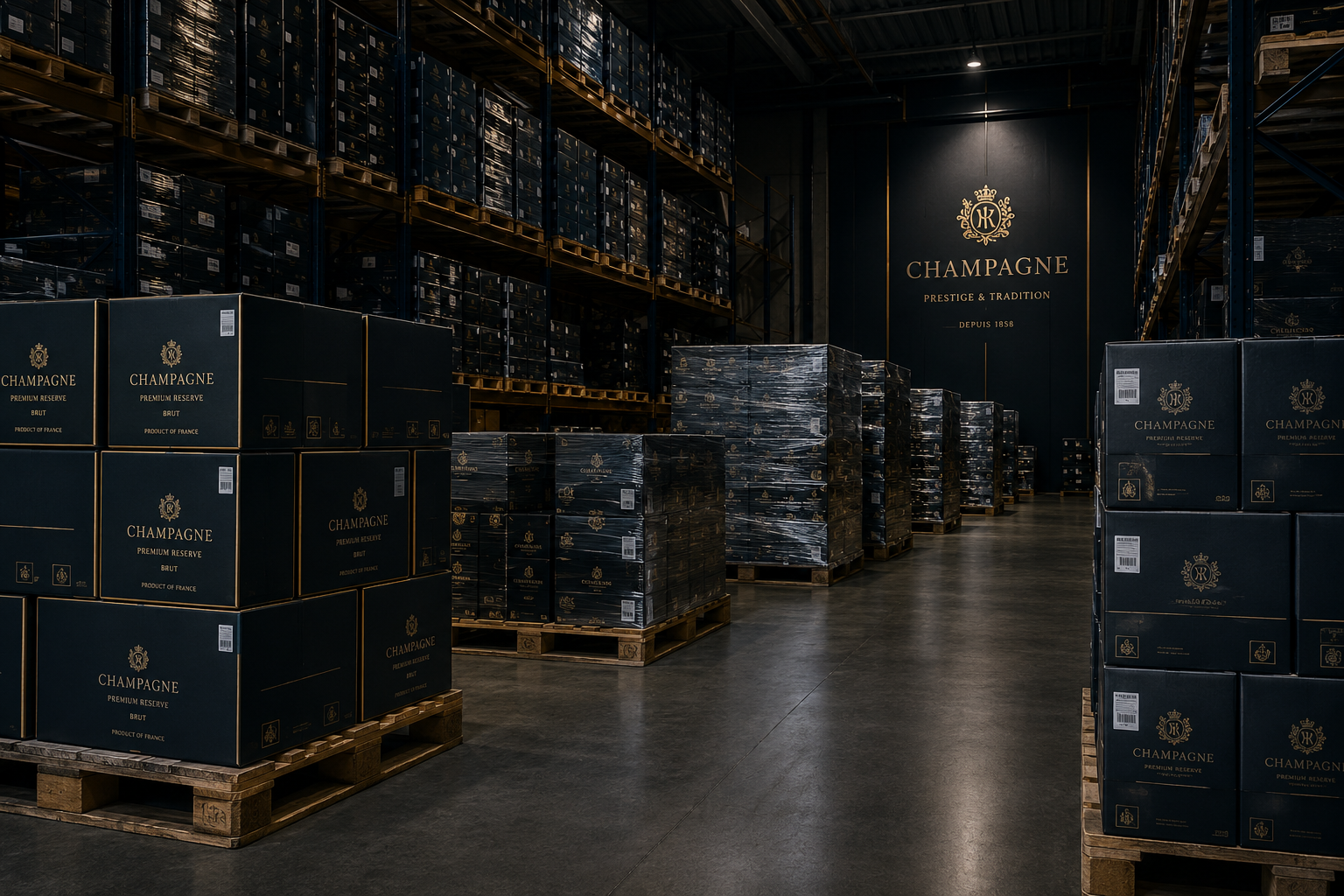
Champagne
Premium champagne demand reviewed through verified B2B access.
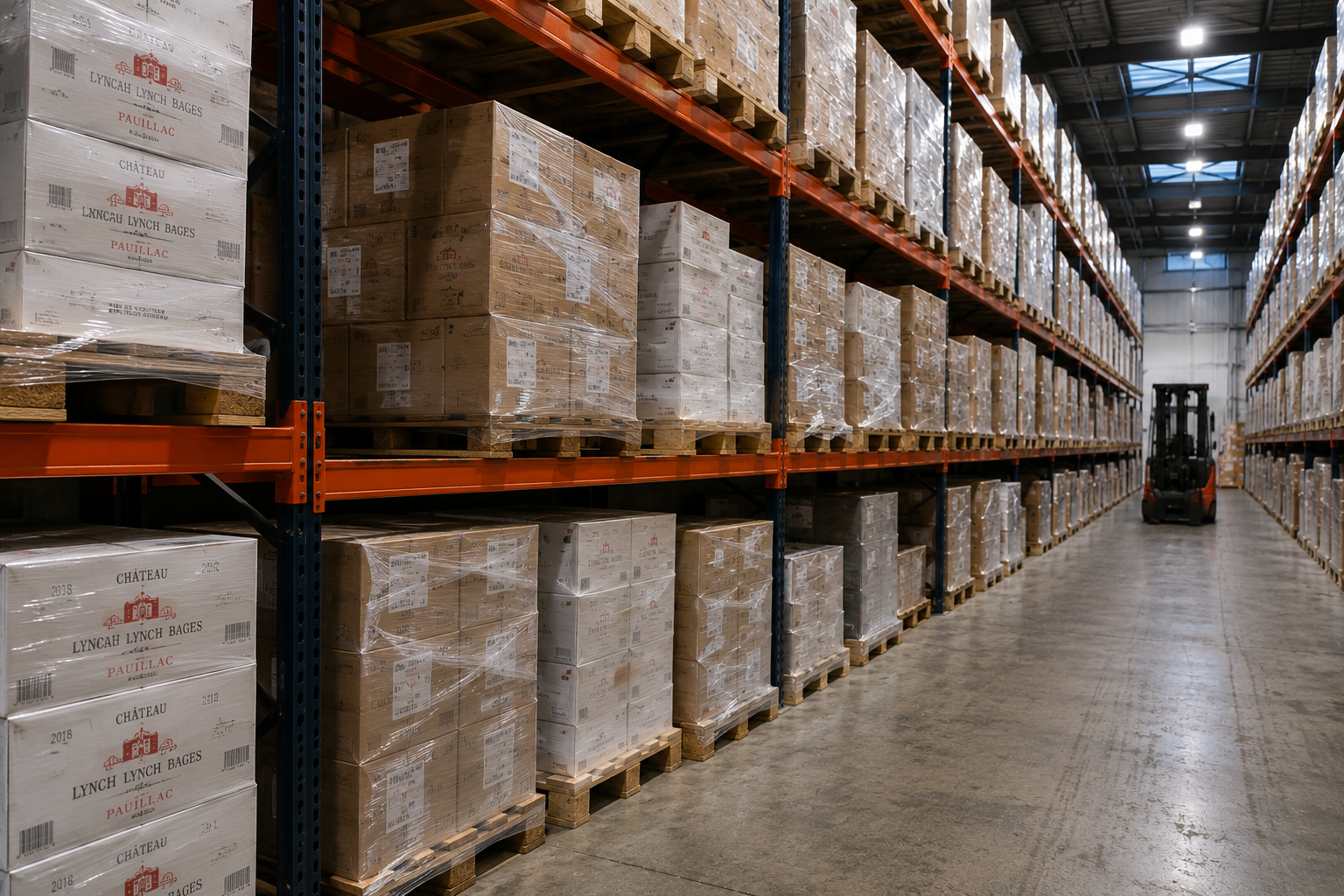
Wine
Selected wine opportunities reviewed where timing and route align.
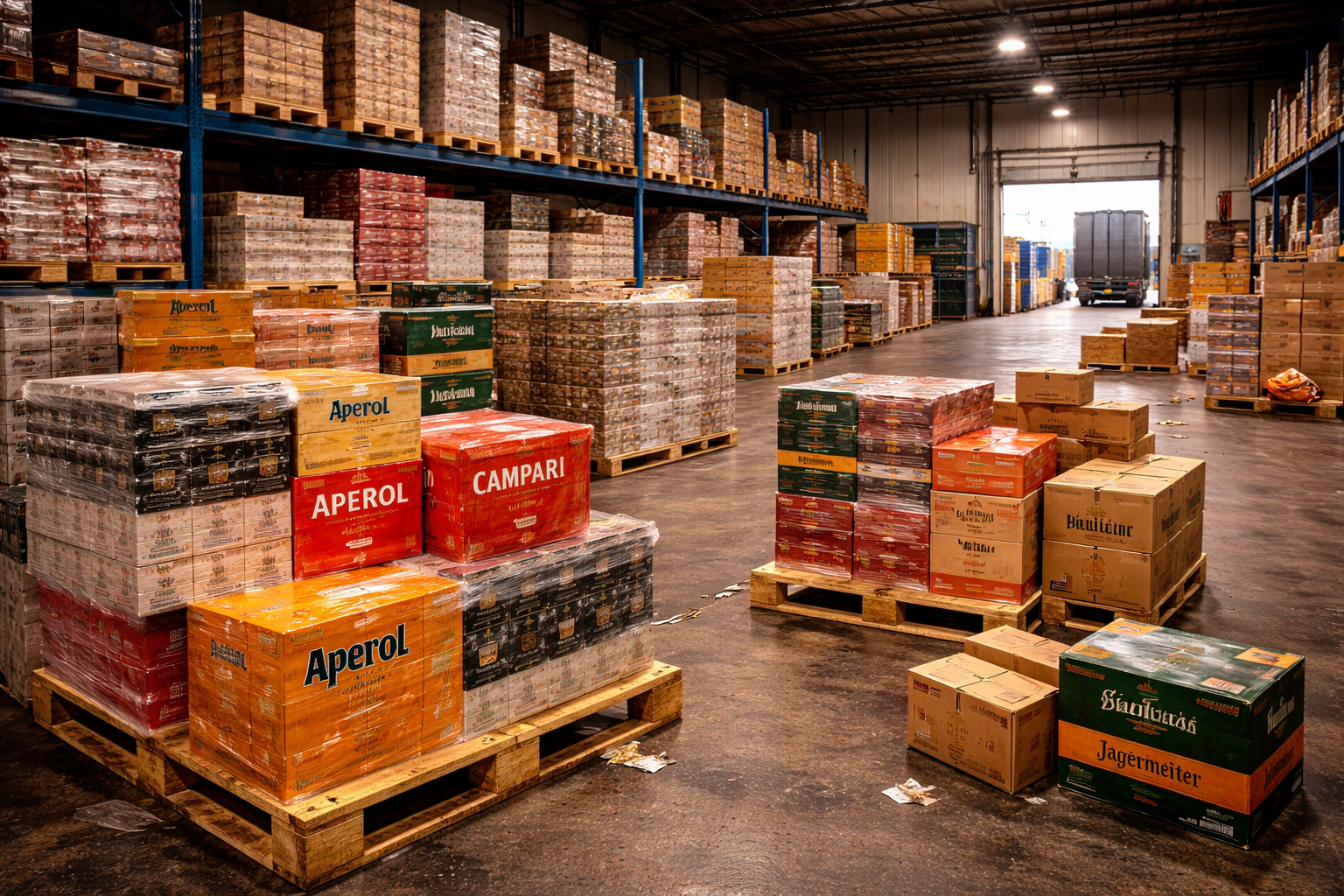
Liqueurs
Liqueurs and mixed spirits reviewed for suitable buyer routes.
A clearer way to move from demand to execution.
Every request is reviewed before commercial details are shared. This keeps bonded warehouse spirits trading focused on real availability, verified companies and practical movement conditions.
Submit buyer demand
Share category, brand, SKU, volume, destination, timing and preferred warehouse or movement conditions.
Review availability
Relevant warehouse positions are checked against buyer profile, route requirements and stock status.
Align terms
Pricing, allocation, documentation, payment structure, loading timing and release terms are reviewed.
Coordinate release
Confirmed transactions move forward through agreed terms, warehouse coordination and documentation alignment.
The internal structure behind ElixeMarket.
This page acts as a central hub for bonded warehouse spirits trading. The related pages below help organise the wider site around buyers, suppliers, operating process and access requests.
How We Operate
Understand how professional spirits transactions move through ElixeMarket.
View Process →For Buyers
Submit product requirements and review professional availability through a controlled access route.
Buyer Route →For Suppliers
Present real stock positions with warehouse context, allocation details and execution requirements.
Supplier Route →Professional Access
Share your company profile, requirement, stock position or operational context for review.
Request Access →Request access to structured spirits availability.
Availability and trading conditions are shared only after reviewing company profile, category demand, stock position, destination, volume and execution requirements.
Bonded Warehouse Spirits Trading for International B2B Buyers
Bonded warehouse spirits trading helps verified B2B buyers and suppliers review real stock through European warehouse infrastructure, T1/T2 conditions, documentation awareness and controlled release requirements.
European bonded warehouses support structured spirits trading under controlled warehouse and movement conditions.
Buyers can review stock status, loading timing, documentation needs and destination requirements before execution.
Supplier availability can be presented with warehouse location, quantity, allocation limits and tax status.
Categories include whisky, vodka, gin, rum, cognac, brandy, champagne, wine, liqueurs and mixed spirits.
Stock is not displayed as a public catalogue. Pricing and availability are shared only after company review and operational suitability.
For European customs and excise context, companies may also consult the official European Commission customs guidance.